Residential rehab can feel like a daunting prospect. You may find yourself wondering what the experience truly involves, how your time will be structured, and what daily life looks like within a centre. Understanding what is residential rehab from a patient’s perspective can help to ease those concerns and provide clarity.

Residential rehab can feel like a daunting prospect. You may find yourself wondering what the experience truly involves, how your time will be structured, and what daily life looks like within a centre. Understanding what is residential rehab from a patient’s perspective can help to ease those concerns and provide clarity.
This post offers an in-depth day-by-day narrative of a typical 28-day stay at a high-end, luxury addiction rehabilitation centre in Northamptonshire, giving a grounded and reassuring insight into the process. Each phase of treatment is carefully designed to support recovery and personal growth while respecting privacy and dignity.
This detailed account aims to humanise the journey, offering a window into the routine, therapies, and moments of reflection that characterise residential rehab. Our focus is on the experience itself rather than abstract concepts, bringing to life the commitment and care involved. For those considering help, it is a step towards understanding what to expect and recognising that seeking support is a positive and brave decision.
For more information about the programme itself, please visit our Residential Rehab Programme page.

Days one to three: arrival and orientation
Arriving and settling in
The first day of residential rehab often begins with a mixture of emotions. Patients arrive at the centre, greeted by discreet and professional staff who guide them through initial assessments. This phase is about settling in, registering, and understanding the facilities, which helps to reduce anxiety and create a sense of safety.
Medical assessments and orientation
During these early days, medical evaluations take place to assess physical and mental health status. Staff discuss individual backgrounds and treatment goals, tailoring the programme to meet personal needs. Group introductions occur, allowing patients to meet others in a similar position, fostering a quiet sense of community.
Orientation includes practical sessions about daily routines, setting expectations, and outlining the centre’s rules. Patients receive comfortable accommodation and are encouraged to begin reflecting on their reasons for seeking help. This period is gentle and supportive, allowing time to adjust to a new environment without pressure.
Building trust from day one
The arrival experience often involves unpacking belongings and exploring the private living quarters. The surroundings are designed to feel welcoming and calm, with attention to detail in furnishings and light. Patients may take a moment in their rooms to gather thoughts before joining the communal areas for introductions.
Early conversations with staff focus on confidentiality and the importance of trust during treatment. Patients receive personalised schedules and are invited to ask questions about the process. The overall atmosphere balances professionalism with warmth, helping to ease initial apprehensions.
Days four to seven: building foundations
After settling in, the focus shifts to establishing the foundations of recovery. Patients participate in one-to-one therapy sessions with experienced clinicians, exploring underlying factors contributing to addiction. These sessions are private and confidential, offering space for honest conversation.
Group therapy begins during this phase, encouraging shared experiences and mutual support among patients. The atmosphere is calm and respectful, emphasising listening and empathy. Activities such as mindfulness and relaxation techniques are introduced to promote mental well-being.
Physical health remains a priority, with daily walks and light exercise encouraged. Nutritional guidance is provided, recognising the important link between diet and recovery. These first week activities aim to build trust with staff and fellow patients, creating a stable base for the weeks ahead.
Establishing routine and connection
Daily routines become more defined, with mornings often starting with gentle stretching or meditation to centre the mind. Therapy sessions are scheduled to balance intensity with rest periods, allowing patients to process emotions gradually. Communal meals serve as opportunities to connect socially in a relaxed setting.
One-to-one sessions may examine personal history and challenges, helping patients to identify triggers and patterns. Staff employ a compassionate approach, listening carefully and validating experiences. Patients often describe this time as challenging yet necessary for beginning meaningful change.
Group sessions provide a sense of belonging, as participants share stories and coping strategies. The focus on empathy helps to build trust within the group, reducing feelings of isolation. Mindfulness exercises taught during this phase encourage patients to observe thoughts without judgment.
Days eight to fourteen: deepening insight
The second week marks a deeper dive into therapeutic work. Patients examine patterns of behaviour and emotional triggers through cognitive behavioural therapy and other evidence-based modalities. The aim is to increase self-awareness and develop practical coping strategies.
Sessions include workshops on stress management, relapse prevention, and communication skills. Patients may also attend family therapy or receive support in rebuilding damaged relationships. The centre’s quiet surroundings offer a peaceful backdrop for this focused work.
Alongside therapy, creative activities such as art or music therapy are available to encourage emotional expression. Nutrition and physical activity routines continue, supporting holistic wellbeing. This period often represents a turning point, as patients begin to understand their addiction in new ways.
Intensive therapeutic work
Therapy sessions become more intensive, with patients encouraged to reflect on difficult emotions and past behaviours. Clinicians guide this process with sensitivity, maintaining a safe environment for exploration. Homework assignments may be given to reinforce insights outside of session times.
Family therapy is often a pivotal moment, allowing patients and relatives to address misunderstandings. Skilled facilitators help to foster open communication and healing. These sessions can bring relief and hope, strengthening the support network.
Creative therapies provide alternative outlets for expression, especially when words feel insufficient. Patients may paint, write, or engage in music, discovering new ways to process feelings. These activities complement traditional therapy by accessing deeper emotional layers.
Physical activities such as guided walks or gentle yoga continue to support mental clarity and reduce stress. Nutritional plans are tailored to promote energy and overall health. This balanced approach helps patients feel more grounded during intense psychological work.
Days fifteen to twenty-one: consolidation and practice
In week three, emphasis moves towards consolidating gains and practising new skills. Patients are encouraged to take more responsibility for the steps to recovery, applying what they have learned in therapy. Role-playing scenarios and group discussions help to reinforce techniques for managing cravings and avoiding relapse.
One-to-one sessions remain regular, providing continued support and adjustment of treatment plans. Patients also engage in wellness activities designed to build resilience, such as yoga or meditation. This phase promotes independence within the safety of the centre’s structure.
Social interaction is encouraged through communal meals and leisure time, helping to rebuild confidence in relationships. The centre maintains a calm and respectful environment throughout, so that patients feel supported yet empowered.
Practising independence and leadership
Daily schedules incorporate opportunities for patients to lead parts of the group or wellness activities. This encourages confidence and reinforces skills in a supportive setting. Staff observe and provide gentle feedback to nurture growth.
Role-playing exercises simulate high-risk situations, allowing patients to practise responses in a safe space. These rehearsals help to build awareness and prepare for challenges after discharge. Group discussions follow, offering collective wisdom and encouragement.
Mind-body wellness
Wellness activities focus on mind-body connection, with options including tai chi, meditation, and gentle Pilates. These practices foster calmness and teach self-regulation techniques. Patients often report improved sleep and reduced anxiety during this period.
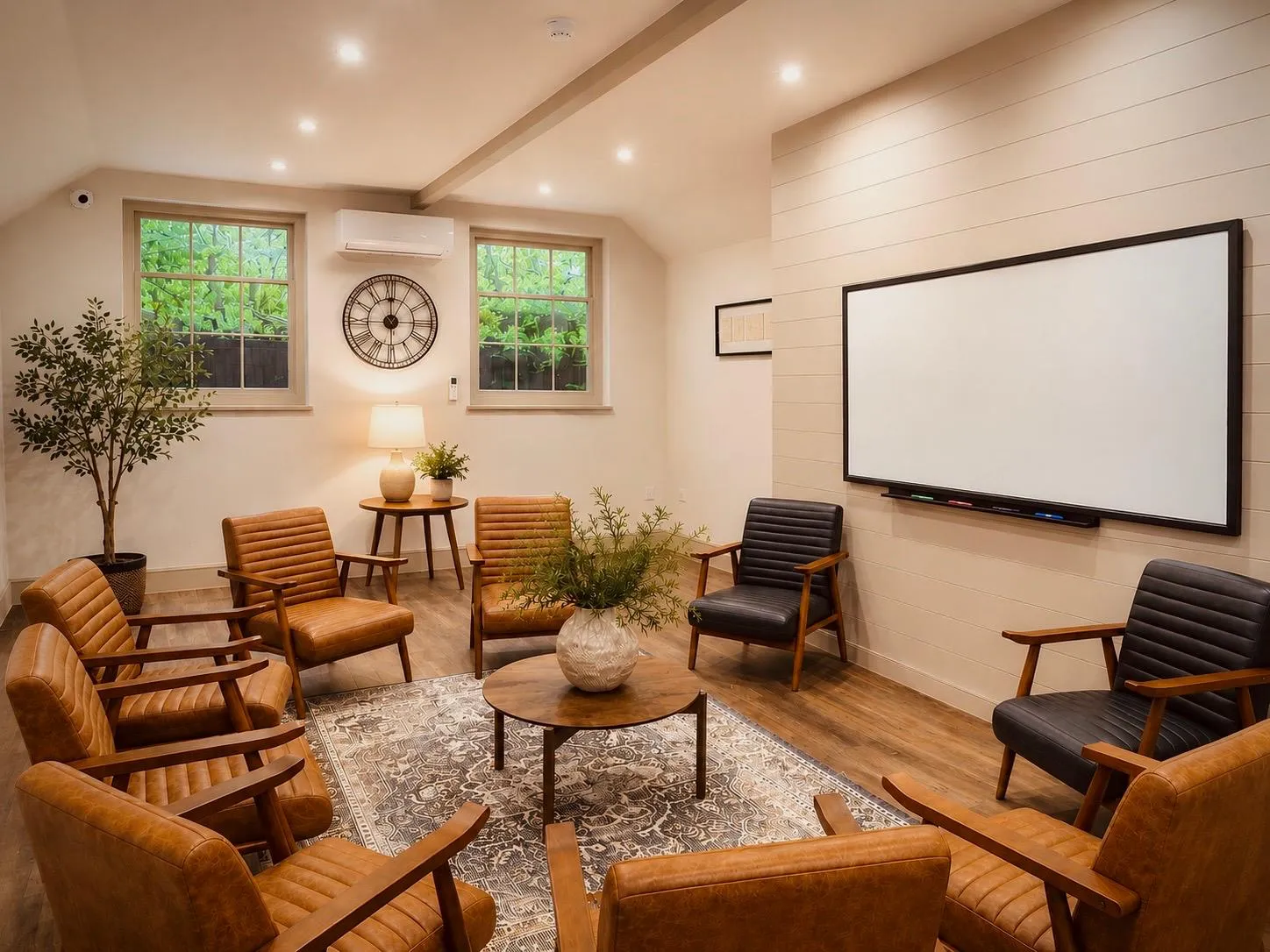
Leisure time includes access to gardens, lounges, and creative spaces, allowing for relaxation and socialising. Patients may form friendships and support networks that extend beyond the programme. This social dimension is vital for rebuilding trust and community skills.
Days twenty-two to twenty-eight: preparing for discharge
The final week focuses on preparing for life beyond the centre. For anyone asking what is residential rehab, this phase demonstrates its full value in practical terms. Patients work closely with staff to develop personalised aftercare plans, including strategies for maintaining sobriety, identifying support networks, and planning follow-up appointments.
Discharge planning involves practical discussions about returning home or transitioning to other support services. Patients are encouraged to reflect on their progress and set realistic short-term goals. This phase is both hopeful and cautious, acknowledging the challenges ahead.
On the last day, patients participate in a farewell session with peers and staff, marking the programme’s completion. The atmosphere is often a mixture of pride and anticipation. Patients leave with a clear sense of accomplishment and a structured plan for continuing their recovery.
Aftercare planning and reflection
The aftercare planning process is thorough, addressing housing, employment, and social support needs. Patients understand to identify warning signs and implement coping strategies independently. Staff provide contact details and encourage ongoing engagement with support groups.
Reflection sessions invite patients to consider their personal growth and the obstacles overcome. Many find this a poignant moment, one that allows gratitude and resolve to coexist. The farewell gathering celebrates achievements and reinforces a continued sense of belonging.
Preparation for the transition home includes practical advice on managing triggers and stress. Techniques learned during rehab are rehearsed to build confidence in facing real-world situations. Patients are reminded that recovery is a lifelong journey, supported by tools and relationships built during their stay.
Mind-body wellness
Wellness activities focus on mind-body connection, with options including tai chi, meditation, and gentle Pilates. These practices foster calmness and teach self-regulation techniques. Patients often report improved sleep and reduced anxiety during this period.
Leisure time includes access to gardens, lounges, and creative spaces, allowing for relaxation and socialising. Patients may form friendships and support networks that extend beyond the programme. This social dimension is vital for rebuilding trust and community skills.
Typical daily schedule in residential rehab
| Time | Activity | Purpose |
|---|---|---|
| 07:30 – 08:30 | Breakfast | Nourishment and social interaction |
| 09:00 – 10:30 | Individual therapy session | Personalised psychological support |
| 11:00 – 12:30 | Group therapy or workshop | Shared learning and emotional expression |
| 13:00 – 14:00 | Lunch | Rest and nutrition |
| 14:30 – 16:00 | Wellness activity (yoga, walk) | Physical health and relaxation |
| 16:30 – 17:30 | Educational session | Skill-building and relapse prevention |
| 18:00 – 19:00 | Dinner | Social time and nourishment |
| 19:30 – 21:00 | Evening reflection or creative therapy | Emotional processing and community bonding |
Understanding what is residential rehab through experience
Residential rehab is more than simply abstaining from substances; it is an immersive process designed to address the whole person. This detailed account highlights the gentle but purposeful structure of a 28-day stay, showing how patients move from uncertainty to confidence. The combination of professional care, peer support, and therapeutic activities creates a balanced environment for recovery.
The daily routine combines stability with new learning opportunities, fostering self-awareness and resilience. Importantly, the process respects individual pace and privacy, with staff available to support every step. This narrative intends to demystify the experience and encourage those who may be hesitant to seek help.
The emotional arc of recovery
The emotional journey within residential rehab is often complex. Early apprehension gives way to acceptance, then to moments of struggle and breakthrough. Patients commonly experience a growing sense of self-worth and hope, supported by a compassionate team.
Therapies are delivered with sensitivity to individual needs, recognising that progress is rarely linear. The environment encourages reflection without judgment, allowing for vulnerability and growth. By the end of the programme, many patients report feeling equipped not only with skills but also with renewed motivation.
Community and connection
Beyond therapy, the social environment plays a crucial role. Shared experiences create bonds and reduce feelings of isolation. Knowing others face similar challenges helps patients to build resilience and optimism.
In summary, understanding what is residential rehab through this detailed account reveals a structured yet nurturing space where patients can rebuild their lives. Its combination of expert care, community, and personal reflection offers a pathway towards lasting recovery. Those considering this step may find reassurance in understanding the journey ahead.
The medical and therapeutic approaches used during residential rehab are well documented in research literature. The UK Government guidance on residential drug and alcohol treatment offers further insight into the effectiveness and structure of inpatient treatment across England.
Embracing the next chapter of your recovery journey
Residential rehab is a carefully curated experience that balances structure, compassion, and expertise. If you read this article to learn what is residential rehab, and you’ve decided it might be what you need, get in touch with our care team right away to discuss treatment.
FAQs about heroin rehab
What is the reality of opiate withdrawal?
It’s a significant physical process, but one our medical team manages completely. Most people find it far more manageable than they expected, because they’re monitored and supported throughout rather than going through it alone.
Can you manage a transition off methadone or suboxone?
Yes. We design a phased, medically supervised route to complete sobriety for clients currently on maintenance medication. The goal is total independence, achieved at a pace that’s safe and sustainable.
How long does heroin rehab take?
A 28-day residential stay is the clinical standard, giving enough time for full physical detox and the start of the deeper psychological work. Extended stays are available for clients who need more time before returning to their lives.
My dependency started with a prescription. Does this matter?
It matters in the sense that it informs how we approach your treatment. Many clients at our opiate addiction rehab arrive via prescription painkillers. We build your programme around that specific history.
How secure is my personal information?
Completely. Nothing about your stay at our detox clinic for heroin addiction is shared without your explicit written consent. Who you tell, and when, is entirely your decision.
Do I need a referral to get started?
No. You can contact Charterhouse Clinic directly, and we handle everything from there. There’s no need for a GP referral unless you’d like us to liaise with your doctor.
Schedule a free consultation to discuss your specific needs

Matthew Idle
Matthew founded Charterhouse Clinic with more than two decades of experience across every level of addiction treatment. He’s spent his career developing the expertise to know exactly what a programme of this quality should look like, and he built it.