





Dual Diagnosis Treatment Centre | UK
Private dual diagnosis treatment for both addiction and mental health
Charterhouse Clinic offers private dual diagnosis treatment on a Northamptonshire estate, addressing both mental health and addiction within the same clinical programme.
Get a free, confidential assessment
Ready to take the next step?
Fill out this simple form and we’ll call you as soon as possible..
Alternatively, call us any time on: 0604 419 777

CQC Registration Pending

Discreet private service

6 years of proven results

100+ successful patients
The intertwining relationship of addiction and mental illness
Dual diagnosis describes the co-occurrence of addiction and a mental health condition. The two are rarely separate problems. More often, they develop together. Substance use often develops as a way of managing anxiety, depression, trauma, or another mental health condition. However, the same substances used to self-medicate can worsen or trigger the very symptoms they were being used to escape.
When both are present, treating one without the other leaves the cycle intact. At Charterhouse Clinic, dual diagnosis treatment addresses both conditions within the same programme, so neither is left to undermine the other.
Get a free, confidential assessment
Ready to take the next step?
Fill out this simple form and we’ll call you as soon as possible..
Alternatively, call us any time on: 0604 419 777
When both conditions are treated, both can improve
The urge to self-medicate eases
The mental health driving the substance use gets treated directly, so reaching for something to cope becomes less necessary over time.
Mental health treatment gets a real chance
Therapy lands properly when substance use is no longer interfering, and the tools and insights from sessions can finally take hold.
Self-understanding becomes easier
A clear picture of how both conditions relate to each other makes it easier to understand what’s been happening and why.
The cycle between both conditions breaks
Both conditions improve together because dual diagnosis rehab treats both entry points at the same time, giving neither the chance to pull the other back.
Your clinical team understands the whole picture
You get consistent, joined-up care from people who understand both sides, without being passed between services or told contradictory things.
Get a free, confidential assessment
Ready to take the next step?
Fill out this simple form and we’ll call you as soon as possible..
Alternatively, call us any time on: 0604 419 777
What dual diagnosis treatment looks like at Charterhouse Clinic
-
A comprehensive assessment of both conditions on arrival
Your first conversation covers your full psychiatric and addiction history, the relationship between the two conditions, current medication, and what each has been doing for the other. The programme is built around what the assessment finds rather than a standard template. -
Detox and stabilisation where clinically necessary
Where detox is needed, it is medically supervised throughout. Introducing structure and routine from day one supports both physical and psychological stabilisation, giving the clinical work a foundation to build on. For most clients, this phase takes up the first week or so, though the pace is always guided by individual progress. -
Medication review and psychiatric stabilisation
As stabilisation progresses, typically within the first two weeks, psychiatric medication is reviewed and adjusted where needed. With psychiatric medications often taking several weeks to reach full effect, ongoing oversight throughout your stay is clinically important. -
Integrated therapy treating both conditions simultaneously
DBT, CBT, and motivational interviewing address the addiction and mental health condition in parallel, treating both entry points of the cycle at the same time. Trauma-focused work is incorporated where relevant. -
Aftercare planning that covers both conditions before discharge
Before you leave, your clinical team builds a practical plan covering both relapse prevention for the addiction and ongoing mental health management, since leaving either unaddressed risks the other.
A countryside estate that supports recovery on every level
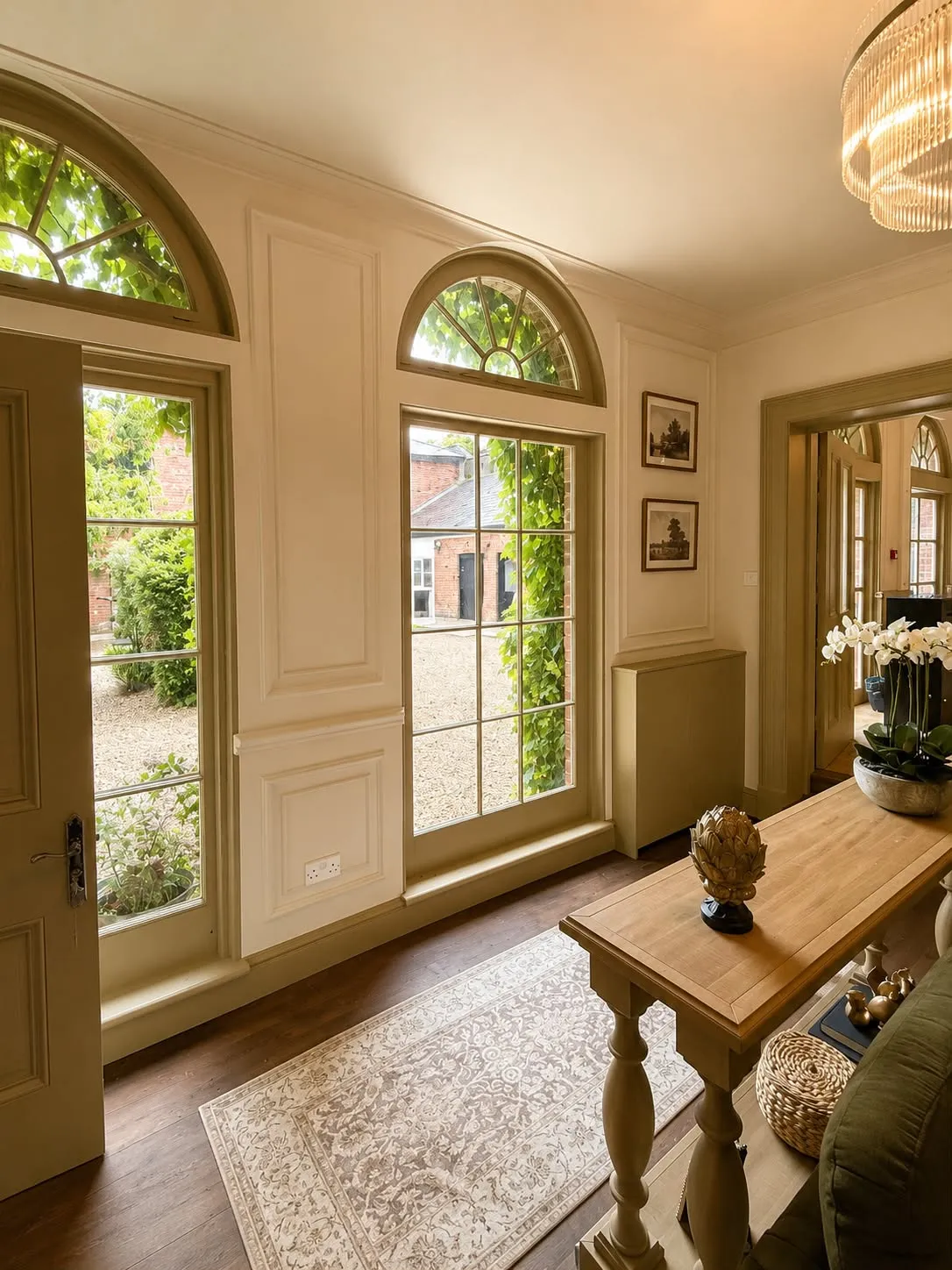
Charterhouse Clinic sits on a private estate, with sprawling grounds and stables just outside the door. Residents can enjoy fresh country air and open space in a calm, contained setting that supports stabilisation across both conditions.
For dual diagnosis treatment, that combination of natural surroundings, privacy, and structure gives both conditions the environment they need to begin settling.
The team behind your programme
You don’t have to choose which condition to treat first
Our team is experienced in both addiction and mental health. Call us 24 hours a day to discuss what treating both together looks like for you.
Get a free, confidential assessment
Ready to take the next step?
Fill out this simple form and we’ll call you as soon as possible..
Alternatively, call us any time on: 0604 419 777
All enquiries handled with complete discretion
FAQs about dual diagnosis treatment
What are the symptoms of dual diagnosis?
Dual diagnosis and co-occurring disorders treatment refer to the same clinical situation, which is the simultaneous presence of a mental health condition and a substance use disorder. The terms are used interchangeably, though co-occurring disorders is sometimes preferred clinically since it avoids implying only two conditions are present. At Charterhouse Clinic, both terms describe the same integrated approach to treatment.
What is the difference between dual diagnosis and co-occurring disorders?
Dual diagnosis and co-occurring disorders treatment refer to the same clinical situation, the simultaneous presence of a mental health condition and a substance use disorder. The terms are used interchangeably, though co-occurring disorders is sometimes preferred clinically since it avoids implying only two conditions are present. At Charterhouse Clinic, both terms describe the same integrated approach to treatment.
How does dual diagnosis rehab differ from standard addiction treatment?
Standard addiction treatment focuses primarily on substance use, which can leave the mental health condition that was driving it unaddressed. Dual diagnosis rehab treats both conditions simultaneously, so neither is left intact to pull the other back. The clinical team needs expertise in both disciplines, which is what makes integrated residential treatment genuinely different from treating each condition separately.
Which mental health conditions commonly occur alongside addiction?
Anxiety, depression, trauma and PTSD, and stress and burnout are among the most common conditions that occur alongside addiction. Each can both drive and be worsened by substance use, which is why mental health and addiction treatment at Charterhouse Clinic addresses both conditions within the same programme rather than treating one first.
How do I know if I need dual diagnosis treatment centres rather than standard addiction treatment?
If substance use has developed alongside a mental health condition, or if previous addiction treatment hasn’t held because the mental health side was never properly addressed, dual diagnosis treatment centres like Charterhouse Clinic offer the integrated care that standard addiction services often don’t. A confidential assessment with the clinical team is the clearest way to establish what level of support is right for you.
Do I need a referral to start dual diagnosis treatment?
No, you can contact Charterhouse Clinic directly, and the admissions team handles everything from there. There is no need for a GP referral unless you would like us to liaise with your doctor.