






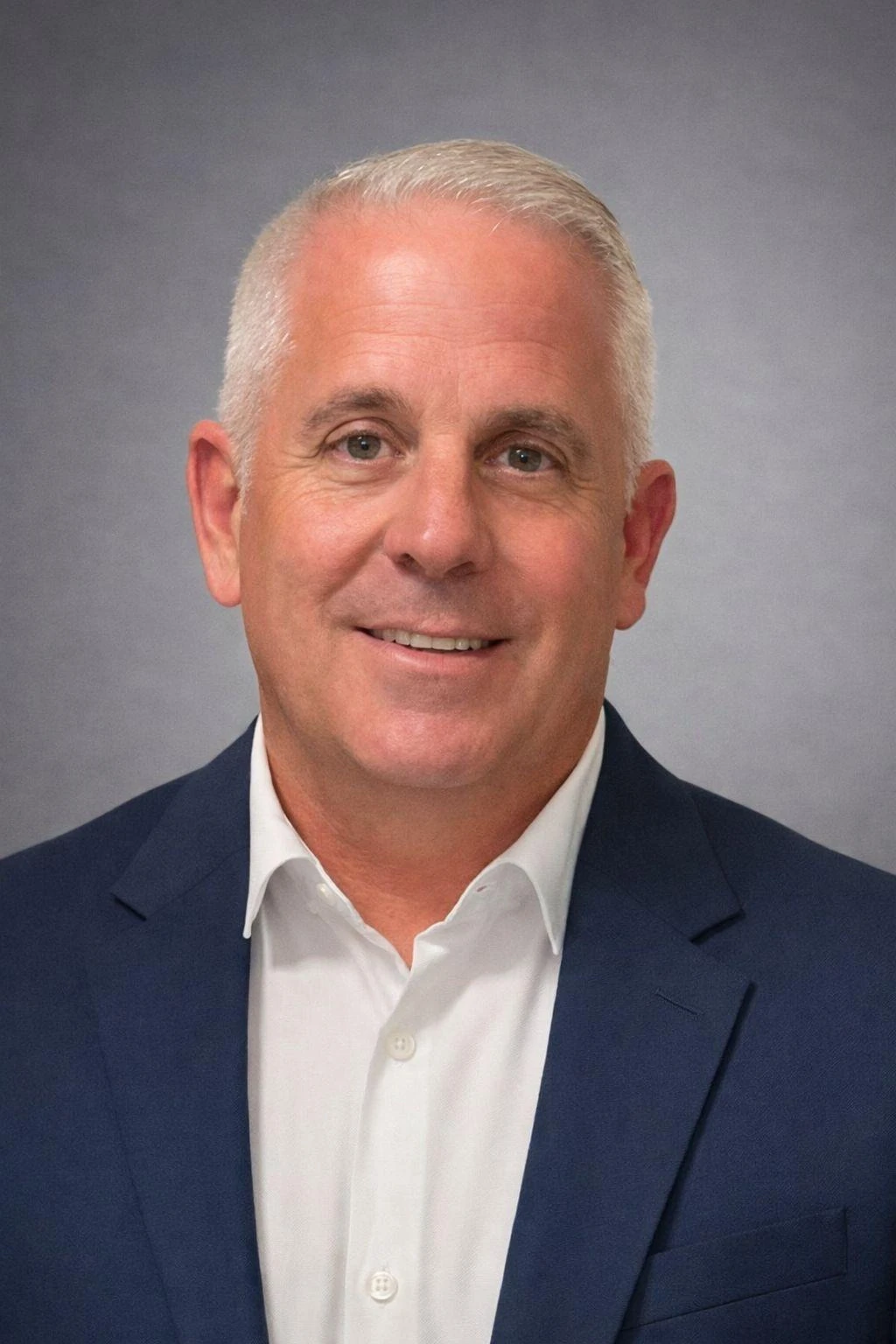
Matthew founded Charterhouse Clinic with more than two decades of experience across every level of addiction treatment. He’s spent his career developing the expertise to know exactly what a programme of this quality should look like, and he built it.
Private trauma and PTSD treatment that helps you feel safe again
Ready to take the next step?
Fill out this simple form and we’ll call you as soon as possible..
Alternatively, call us any time on: 0604 419 777


Trauma affects more than the memory of what happened
Ready to take the next step?
Fill out this simple form and we’ll call you as soon as possible..
Alternatively, call us any time on: 0604 419 777
Life can start to feel like yours again
Triggers loosen their grip on your daily routine
Through therapy for PTSD and trauma, a sound, a smell, or a reminder can lose the power to derail your whole day.
The constant state of high alert begins to ease
The scanning, the bracing, and the inability to relax can gradually settle, and rest starts to feel possible again.
The parts of life trauma closed off can start to reopen
Trauma and PTSD rehab gives you the tools to face the places, people, and situations that have been out of reach, so the geography of your life can start to expand again.
Being present in relationships becomes easier
The emotional numbness and detachment that trauma brings can lift, and relationships can start to feel genuine and worth investing in again.
Numbing the trauma becomes less necessary
When the trauma itself is being properly addressed, the need to take the edge off with alcohol or another substance tends to ease alongside it.
Ready to take the next step?
Fill out this simple form and we’ll call you as soon as possible..
Alternatively, call us any time on: 0604 419 777
When trauma and substance use occur together
Ready to take the next step?
Fill out this simple form and we’ll call you as soon as possible..
Alternatively, call us any time on: 0604 419 777
What trauma and PTSD treatment looks like at Charterhouse Clinic
-
A full assessment of your trauma history and current symptoms
Your first conversation covers the nature of your trauma, whether a single event or prolonged experience, your current symptoms including flashbacks, nightmares, and hypervigilance, any medication you're taking, and whether substance use has become part of managing the day.
Both are assessed together from the start, since stopping substances abruptly can intensify trauma symptoms significantly. - Stabilisation and grounding before trauma processing begins In the first week, the focus is on building safety and managing acute symptoms before any deeper trauma work begins. Grounding techniques help manage flashbacks and hypervigilance. Psychoeducation explains what PTSD is doing to the nervous system. Where substance use is present, withdrawal is medically supervised alongside trauma stabilisation.
- EMDR and trauma-focused CBT to reprocess traumatic memories From around week two, once stabilisation is established, therapy for PTSD and trauma begins in earnest. EMDR uses bilateral stimulation to help reprocess traumatic memories in a safe, controlled environment, while trauma-focused CBT addresses the distressing beliefs and avoidance patterns the trauma has created.
- Nervous system regulation woven throughout your stay Mindfulness, physical activity, and chef-prepared nutrition support the nervous system across both phases of treatment, helping the body move out of the constant state of alert that PTSD creates and rebuild a baseline sense of calm.
- Building a safety plan for life after treatment In the final phase, the focus shifts to what happens after Charterhouse. Your clinical team builds a practical plan around your specific triggers, grounding techniques for managing flashbacks, and strategies for the moments when trauma responses resurface in everyday life.
A private estate that's safe and removed from the world
The team behind your programme
Leticia is the clinical lead at Charterhouse Clinic. She designs the therapeutic programme that underpins every treatment plan, combining formal psychological training with years of intensive residential experience. She contributes to the development and review of therapeutic programme content.
Physician specialising in substance misuse and detoxification with over two decades of clinical experience. Dr Ola leads the medical care within the programme and contributes to the development of Clinical protocols that support safe and effective recovery.
Your past doesn't have to define your present
Ready to take the next step?
Fill out this simple form and we’ll call you as soon as possible..
Alternatively, call us any time on: 0604 419 777
All enquiries handled with complete discretion