




Rehab for Depression | UK

More is possible with rehab for depression

On a private Northamptonshire estate, psychiatric care, intensive therapy, and complete confidentiality work together to help depression lift.

Ready to take the next step?

Fill out this simple form and we’ll call you as soon as possible..
Alternatively, call us any time on: 0604 419 777

CQC-registratin-pending
CQC Registration Pending
Discreet private service
6 years of proven results
100+ successful patients

Depression affects more than your mood

Depression doesn’t always look the way people expect. Sometimes it’s the things you used to love losing their appeal entirely. Sometimes it’s sleeping twelve hours and still not being able to get out of bed, or lying awake when the rest of the world is asleep. And sometimes it’s simply feeling stuck, knowing something needs to change but unable to take the first step.
For many people, therapy and medication are enough. Rehab for depression is for when they aren’t, or when alcohol or something else has become part of managing the day. At Charterhouse Clinic, treatment addresses what’s driving the depression, not just the symptoms on the surface.

Ready to take the next step?

Fill out this simple form and we’ll call you as soon as possible..
Alternatively, call us any time on: 0604 419 777

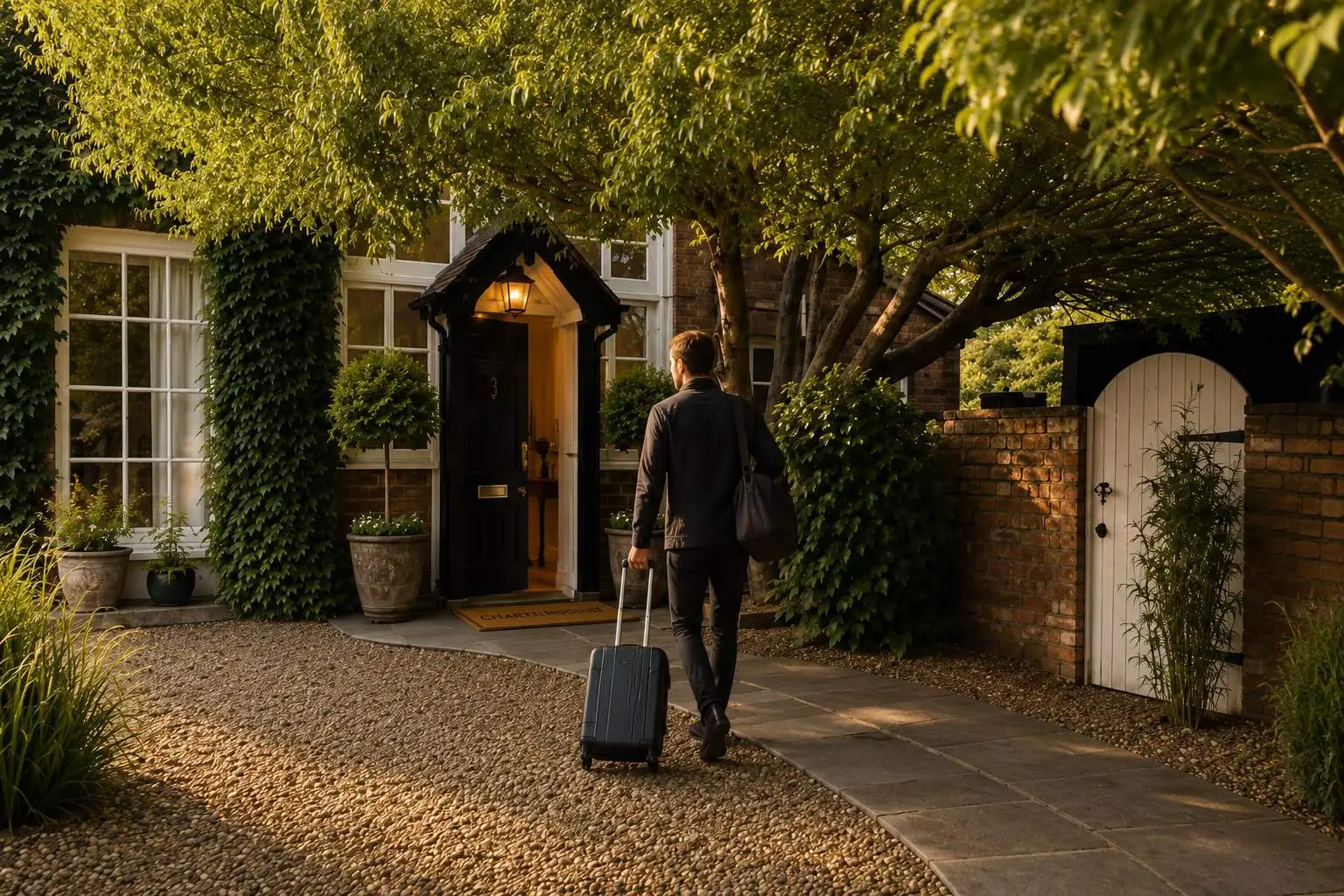
Alternative entry to clinic

The life depression has cost you can start to return

The-paralysis-of-depression-can-start-to-ease

The paralysis of depression can start to ease

Rehab for depression gives the structure and support that makes daily life feel possible again, even when depression has made it feel out of reach.

Hobbies-and-people-can-start-to-bring-joy-again

Hobbies and people can start to bring joy again

The things and people that once brought pleasure can start to feel that way again, and life can begin to feel worth showing up for.

The-future-starts-to-feel-real-again

The future starts to feel real again

A sense of possibility can return, and looking ahead can start to feel worth doing rather than something to avoid.

Each-morning-can-start-to-feel-a-little-lighter

Each morning can start to feel a little lighter

Sleep begins to restore, energy returns, and mornings can start to feel like the beginning of something rather than something to get through.

The cycle of self-medication can finally break

When alcohol has become part of managing depression, rehab clinics for depression that treat both conditions together give the cycle somewhere to actually stop.

Ready to take the next step?

Fill out this simple form and we’ll call you as soon as possible..
Alternatively, call us any time on: 0604 419 777

DUAL DIAGNOSIS

When depression and substance use go hand in hand

For many people, alcohol or another substance has become part of getting through the day. At Charterhouse Clinic, depression and substance use are treated together, because one rarely resolves without addressing the other.

Ready to take the next step?

Fill out this simple form and we’ll call you as soon as possible..
Alternatively, call us any time on: 0604 419 777

What depression treatment at Charterhouse Clinic looks like

  • A full psychiatric assessment on arrival Your first conversation covers your full psychiatric history, what treatments and medications you've already tried, the severity and duration of your depression, and whether substance use has become part of managing the day.

    If it has, a medically supervised detox is arranged before the therapeutic work begins, with the timeline depending on the substance involved.
  • Detox where needed, and a structured daily routine from day one Where detox is needed, the clinical team manages it safely and monitors withdrawal symptoms throughout. Alongside this, introducing a predictable daily routine of therapy, meals, movement, and rest from day one can help reduce the decision fatigue and paralysis that depression often brings.
  • Medication review and psychiatric oversight throughout Depression medication is reviewed, adjusted, and properly monitored throughout your stay rather than prescribed and left unchecked. Antidepressants often take several weeks to reach their full effect, so ongoing psychiatric oversight during your stay is clinically essential, not optional.
  • Intensive therapy as symptoms begin to stabilise From around week two, as structure and medication begin to take effect, intensive therapy addresses the thought patterns and behavioural withdrawal that keep depression in place.

    Sessions draw on cognitive behavioural therapy and, where relevant, dialectical behaviour therapy, building the skills and self-awareness that outlast the residential stay.
  • Discharge planning from mid-stay onwards Discharge planning begins once acute symptoms have stabilised, not in the final days before you leave. Your clinical team builds a practical plan for maintaining structure, managing low mood, and continuing the therapeutic work once you're back in everyday life.
Charterhouse entry gate

Fresh air and open countryside, when the world feels small

Depression has a way of shrinking the world down to four walls. Charterhouse Clinic sits on a private estate, with sprawling grounds and stables just outside the door. Residents can step outside into fresh country air, open space, and natural light, all of which are evidenced to support mood and reduce depressive symptoms alongside clinical treatment.
In rehab for depression, an estate like this actively supports the clinical work happening inside.
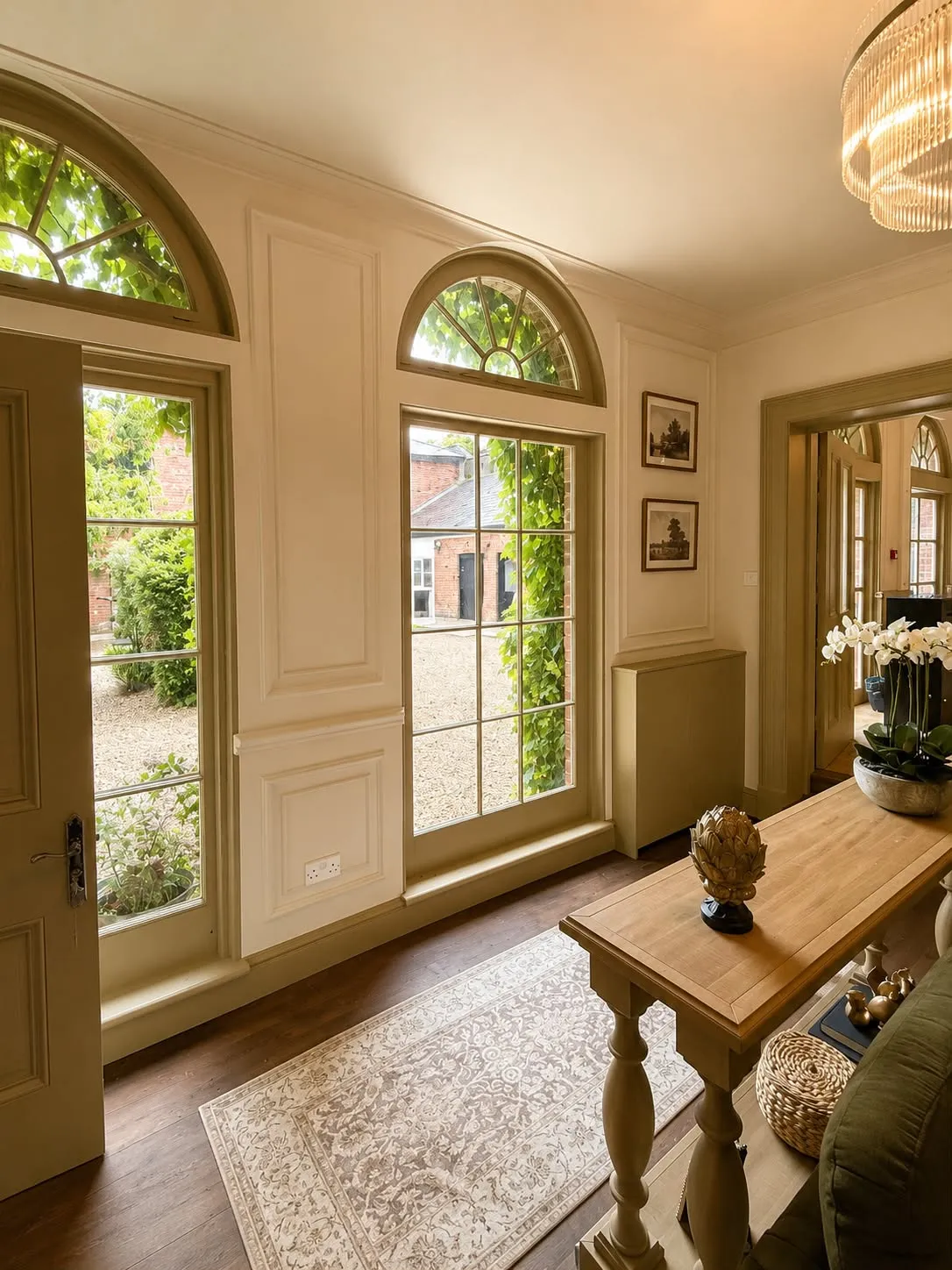
Charterhouse inside

The team behind your programme

Matthew founded Charterhouse Clinic with more than two decades of experience across every level of addiction treatment. He’s spent his career developing the expertise to know exactly what a programme of this quality should look like, and he built it.


Leticia is the clinical lead at Charterhouse Clinic. She designs the therapeutic programme that underpins every treatment plan, combining formal psychological training with years of intensive residential experience. She contributes to the development and review of therapeutic programme content.

Lotus

Things can feel different, with the right support

Taking that first step can feel impossible when depression has taken hold. Our team is here whenever you’re ready, 24 hours a day.

Ready to take the next step?

Fill out this simple form and we’ll call you as soon as possible..
Alternatively, call us any time on: 0604 419 777

All enquiries handled with complete discretion

FAQs about rehab for depression

Yes, residential rehab for depression is a recognised and evidenced form of treatment, particularly for people whose depression hasn’t responded to outpatient therapy or medication alone. At Charterhouse Clinic, rehab for depression combines psychiatric care, intensive therapy, and holistic support in a private residential setting.
Depression symptoms vary but commonly include persistent low mood, loss of interest in things that once felt worthwhile, disrupted sleep, fatigue, difficulty concentrating, and changes in appetite. For many people, the physical symptoms, the exhaustion, the inability to get out of bed, are as debilitating as the psychological ones.
When depression and anxiety occur together, which is common, treatment addresses both conditions within the same programme rather than treating them separately. Rehab for depression and anxiety at Charterhouse Clinic draws on CBT and ACT to address both the low mood and the anxious thought patterns driving them.
Charterhouse Clinic welcomes clients from across the UK and internationally. The admissions team handles everything from first contact through to arrival, including travel and logistics for clients coming from further afield.
Twenty-eight days is the clinical standard at Charterhouse Clinic, giving enough time to move through the initial assessment, begin structured therapy, and leave with a practical plan for managing depression beyond the residential stay. Extended stays are available for clients who need more time.
No, you can contact Charterhouse Clinic directly, and the clinical team handles everything from there. There is no need for a GP referral unless you would like us to liaise with your doctor.